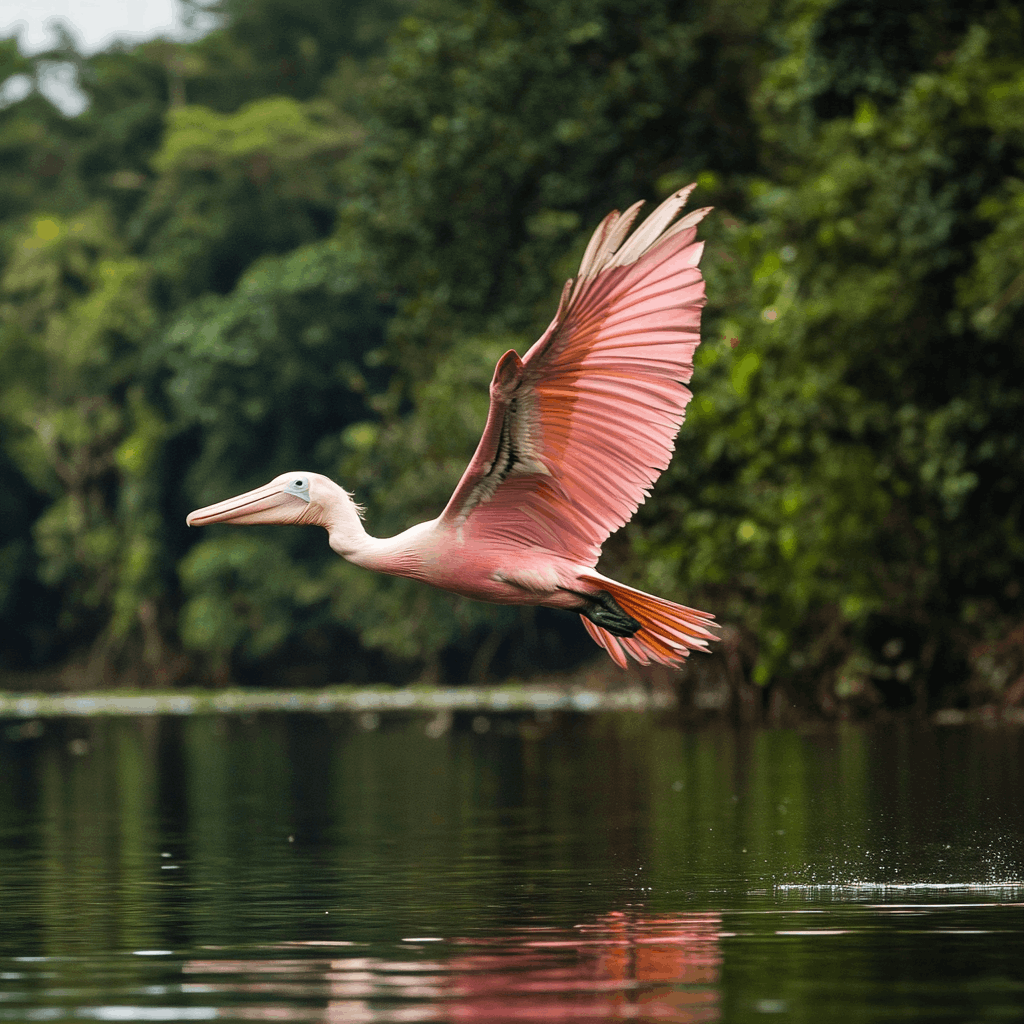
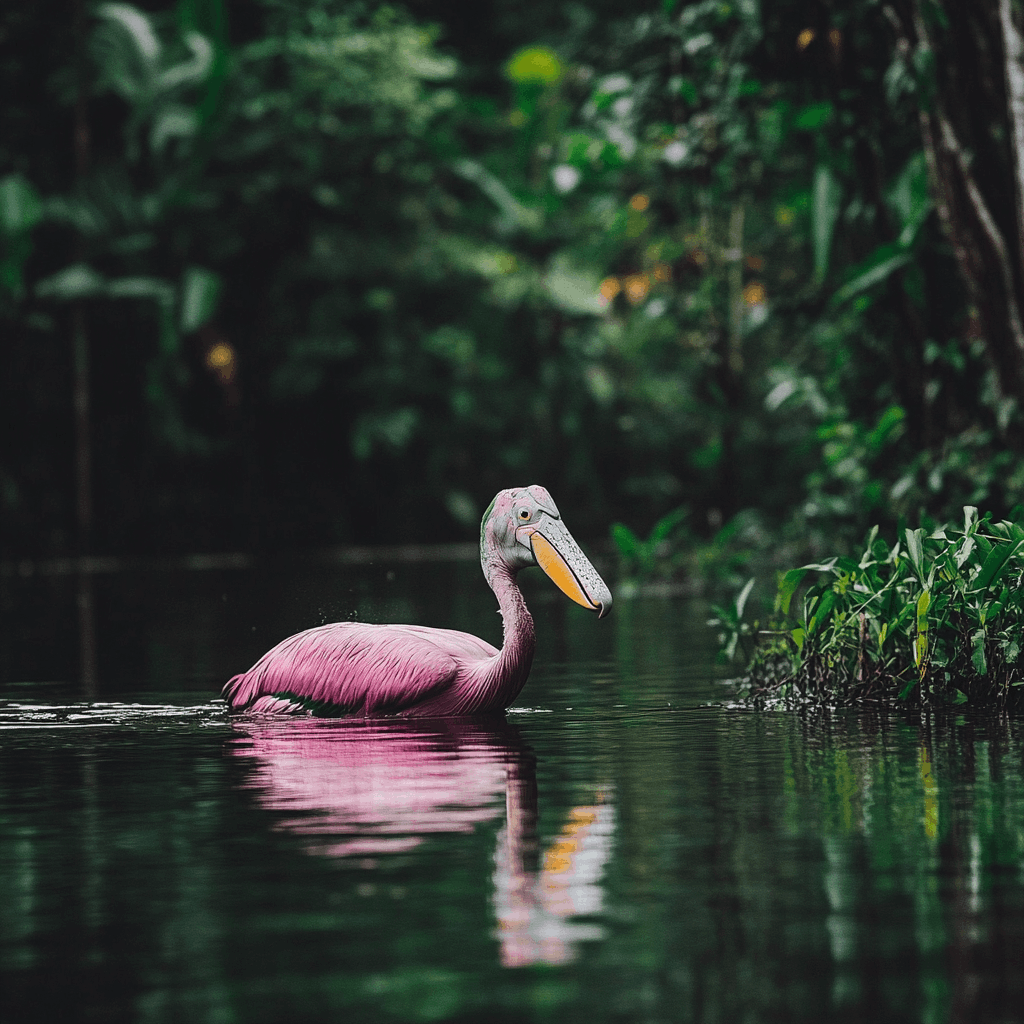
You start somewhere like Tefé, Brazil, or Leticia, Colombia, hopping onto a small boat with a guide who’s probably spent more time with monkeys than people. My guide, Dr. Luiz, was a biologist with a knack for spotting a speck of fur in a tree and knowing it was a tamarin. The Amazon’s overwhelming at first—trees choking the sky, water everywhere, and noises like a riot of birds and bugs. Luiz taught us to tune in: a splash might be a dolphin, a rustle could be a tapir. It’s like learning a new language, and you’re a clumsy beginner.
Pink river dolphins are the rock stars here. They’re not like ocean dolphins—kinda goofy-looking, pale pink or gray, with long snouts. We saw a pair arcing through the water at dawn, and Luiz explained how they navigate the murky rivers with sonar. You don’t chase ‘em; you wait, quiet, till they surface. Same goes for sloths—three-toed ones hang in cecropia trees, blending in like fuzzy lumps. I missed one until Luiz pointed it out, moving so slow it was like watching paint dry, but man, that face was cute. Bring binoculars; they’re a game-changer.
Macaws steal the show, though. Scarlet and blue-and-yellow ones fly in pairs, screeching like they’re arguing. We found a clay lick where hundreds gathered to eat minerals, wings flashing like a rainbow exploded. Luiz said it helps their digestion, but I was too busy snapping pics to care. Photo tip: use a fast shutter speed (1/2000 or so) to catch them in flight, and don’t skimp on a telephoto lens. The biologists double as photo coaches, helping you get shots without scaring the birds off.
It’s not just the big names. You’ll see weird stuff: poison dart frogs smaller than your thumb, electric-blue butterflies, or caimans gliding by with eyes like glowing marbles. Night tours are wild—headlamps on, you’re scanning for owls or kinkajous, those bear-faced climbers. One night, we heard a jaguar’s low growl; didn’t see it, but my heart was pounding. Luiz just grinned, like it was no big deal. These guides know how to keep you safe while letting the jungle feel untamed.
The ecosystems are the real mind-blower. Luiz showed us how flooded forests, called igapós, turn into fish nurseries during the wet season, or how termite mounds are like air conditioners for the soil. You start seeing the Amazon as a web—every bug, tree, and river connected. Some tours let you help with research, like logging frog calls or checking camera traps. I tagged along to reset one and saw footage of an ocelot—felt like I’d won the lottery.
Trips run three to seven days, mostly by boat or foot, staying in eco-lodges with nets over the beds and meals of rice, fish, and jungle fruits. Wet season (December to May) means more water, better for dolphins but tougher for hiking. Dry season’s hot, buggy, but you’ll see more land critters. Pack light, long-sleeve shirts, and DEET—mosquitoes are ruthless. No Wi-Fi, and power’s spotty, so bring battery packs for your camera.
One thing: go with a legit outfit. Look for tours tied to conservation groups or universities, ones that fund research or local patrols. The Amazon’s under threat—deforestation’s up 20% in some areas—so your trip should help, not hurt. Ask how they train guides or protect habitats.
You leave different. The Amazon’s not just animals; it’s a world that hums with life, and you’ve peeked behind the curtain. You’ll have blurry photos, bug bites, and a brain buzzing with moments—like that dolphin’s splash or a macaw’s scream—that remind you how wild this planet still is.