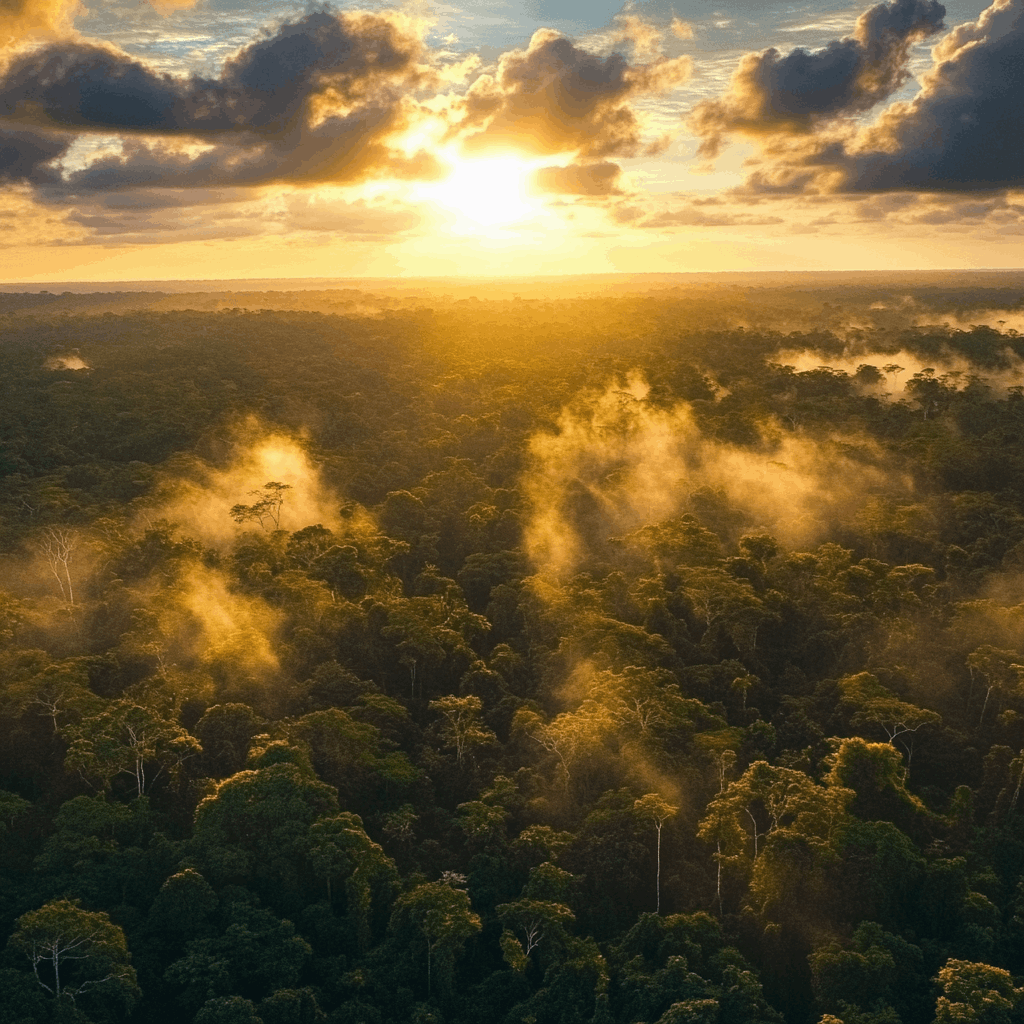
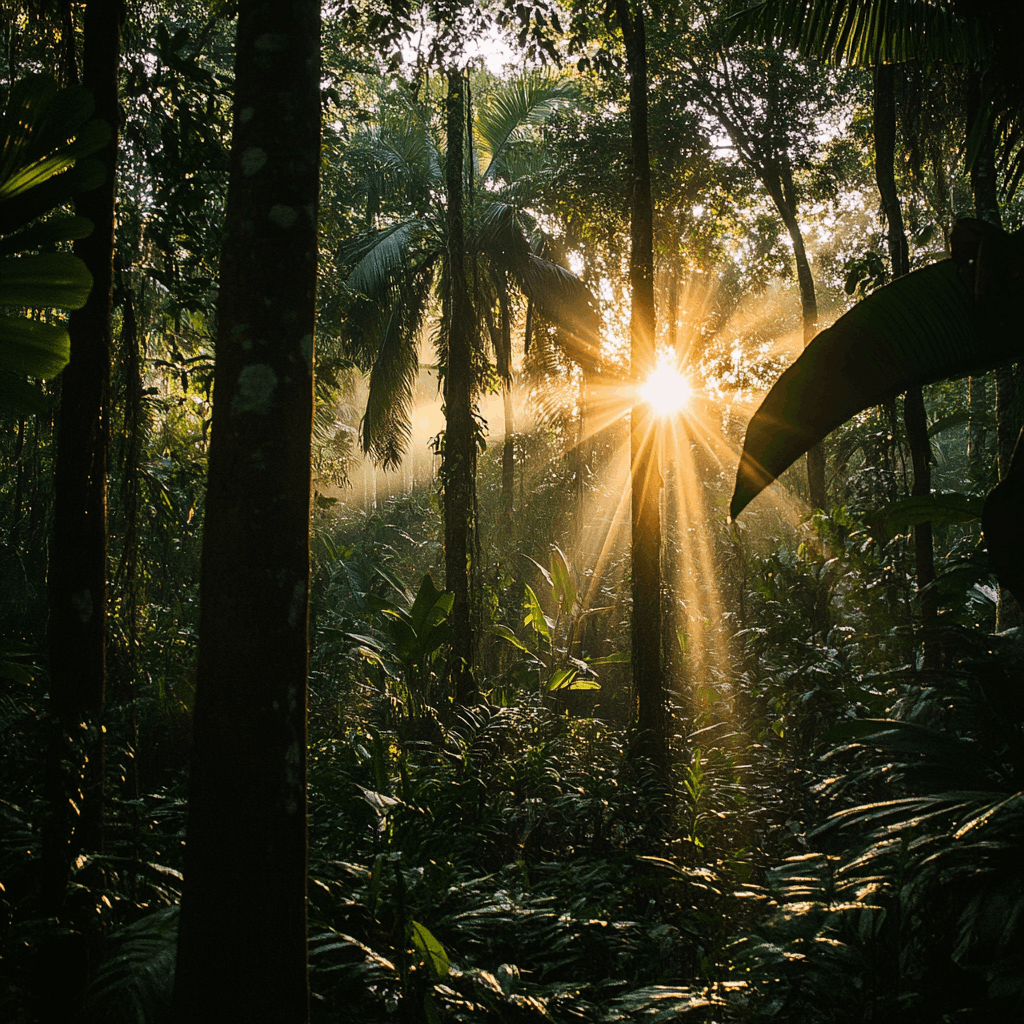
You might land in a place like Puerto Maldonado, Peru, or Santarém, Brazil, where eco-tourism outfits hook you up with projects that actually matter. I joined a reforestation gig near a small river lodge, and it was no joke—digging holes in sticky jungle soil, planting saplings of mahogany and cecropia, sweat dripping into my eyes. Our guide, Elena, was this fierce local who’d been fighting deforestation for years. She showed us how each tree helps hold the soil, keeps rivers clean, and gives critters a home. By the end of the day, my hands were filthy, and I’d never felt prouder.
These trips aren’t just about planting trees. You might help build a fish farm for a village to cut down on overfishing or clear trails for eco-lodges so tourists don’t trample the jungle. One afternoon, we worked with a community to set up beehives—turns out, native stingless bees make honey that’s like liquid gold, and selling it keeps families from logging to survive. It’s hands-on, and yeah, you’ll screw up sometimes (my beehive frame was crooked), but the locals are patient, and you’re all in it together.
Community-led conservation’s the heart of it. You’ll visit indigenous or riverside villages, like the one I saw on the Tapajós River, where folks showed us how they protect turtle nests from poachers. We sat around a fire, eating piranha soup (tastes better than it sounds), while they talked about their fight to keep miners out. Your tourist dollars go straight to them—funding schools, clinics, or patrols to scare off illegal loggers. It’s not charity; it’s a partnership, and you learn more about their lives than any museum could teach.
The Amazon itself is your classroom. Guides, often locals or biologists, point out how the forest works—like how leafcutter ants farm fungus or why certain trees drop fruit to feed fish. I remember Elena showing us a rubber tree, slicing it to let the sap drip, explaining how her grandpa used to tap it for a living. You start to get why saving this place matters, not just for the planet but for the people tied to it. Wildlife’s a bonus: I saw a family of howler monkeys swinging overhead while we planted, and a harpy eagle once swooped by, wings like a damn airplane.
Tours usually last five to ten days, mixing project work with jungle hikes or canoe trips so you’re not just laboring the whole time. You stay in eco-lodges—simple, with solar panels or rainwater systems, and food’s local: rice, beans, plantains, maybe some grilled tambaqui. It’s not five-star, but the stars above you at night are. Bugs are a nightmare, so pack long sleeves and repellent—DEET’s your friend. Rain’s constant, especially November to April, so bring a poncho and embrace the mud. No Wi-Fi, no problem—you’re too busy to care.
One thing: choose your tour carefully. Some companies slap “eco” on their name and call it a day. Look for ones backed by groups like WWF or run by locals, with clear info on how they spend your money. Ask how many jobs go to the community or what projects they’ve finished. The good ones are proud to tell you.
This kind of travel changes you. You’re not just a visitor—you’re part of something bigger, helping protect a forest that’s fighting to survive. You’ll leave with sore muscles, a few bug bites, and a head full of stories about people and places that make the Amazon more than a postcard. It’s messy, it’s real, and it’s one of the best ways to make your trip mean something.