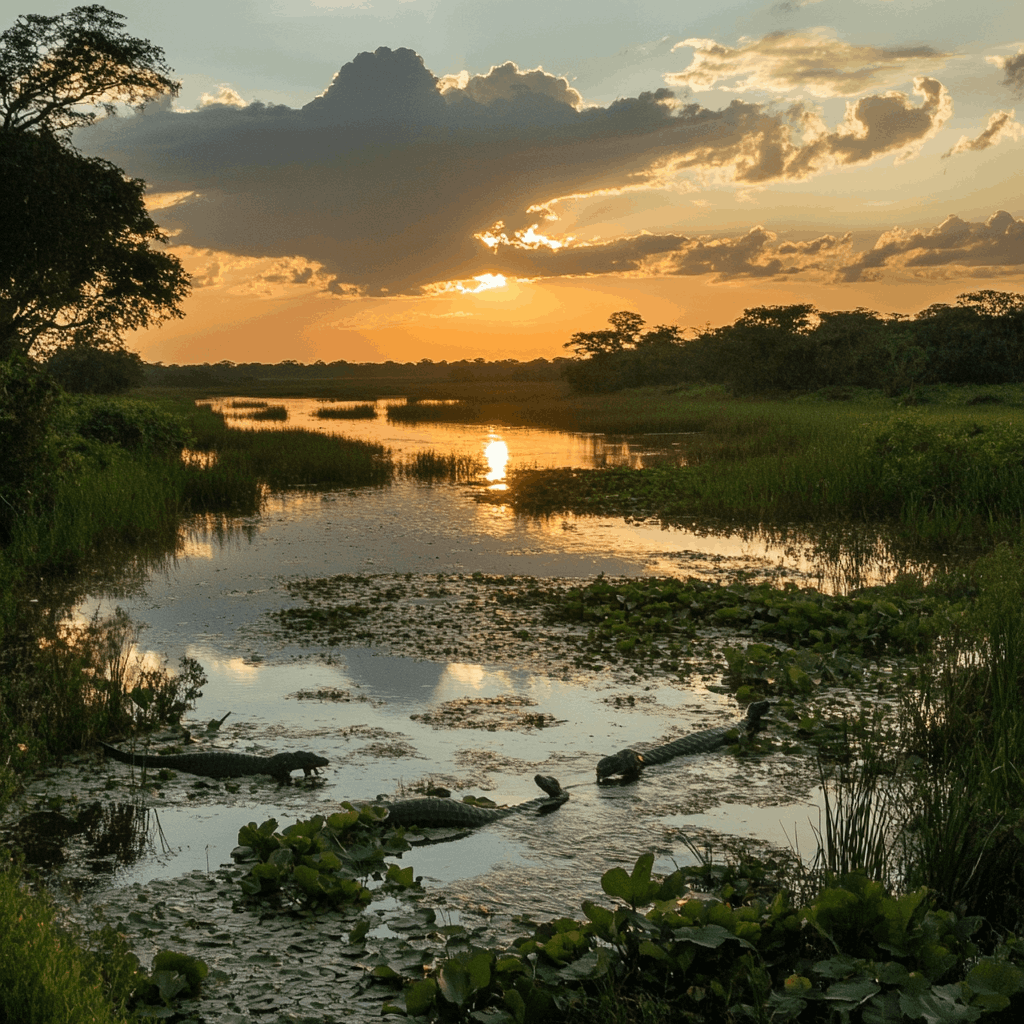
You kick things off in a spot like Cuiabá, Brazil, hopping into a 4x4 or a small boat with a guide who’s probably got a PhD in something like jaguar behavior. My guide, Mariana, was a biologist who could point out a hyacinth macaw’s nest from a mile away and tell you why it picked that exact tree. The Pantanal’s flat and open, not like the Amazon’s thick jungle, so you can see forever—grassy plains, marshes, rivers glinting under the sun. It’s perfect for spotting wildlife, but you still need someone like Mariana to know where the good stuff hides.
The big draw’s the jaguars. Pantanal’s one of the best places in the world to see ‘em in the wild, and on a good day, you might catch one slinking through the reeds or sprawled on a riverbank, eyeing you like you’re lunch. I saw one on my second day, just chilling, its spots glowing in the sunlight. My camera was shaking, but Mariana whispered tips—use a telephoto lens, keep your ISO low for the bright light. Photo safaris are built for this, with guides who’ll position you for the shot without spooking the animals. It’s not just point-and-shoot; it’s about learning how to see.
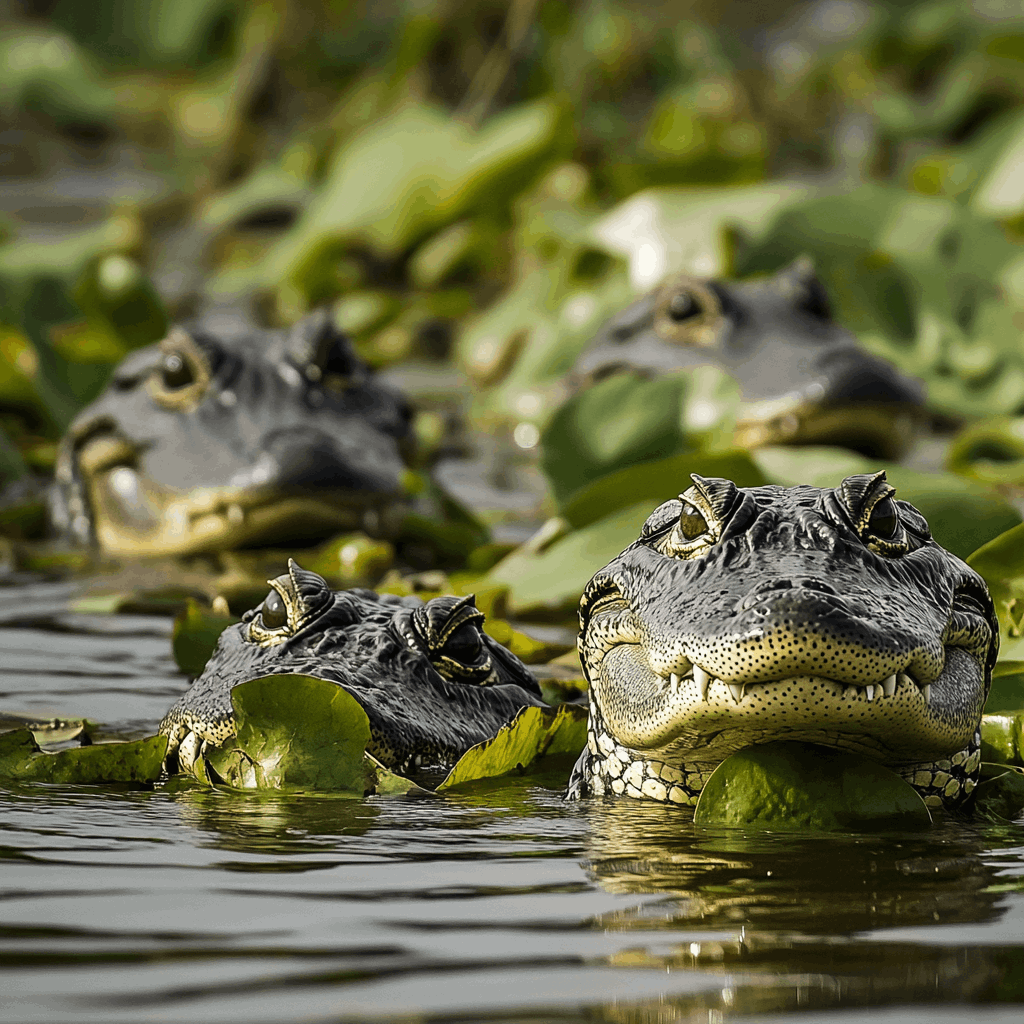
Caimans are everywhere, their eyes poking out of the water like creepy little periscopes. You’ll see ‘em on night tours, when the boat’s spotlight catches hundreds of glowing eyes—kinda freaky, but cool. Then there’s the birds: jabiru storks strutting like they’re on a catwalk, toucans flapping around, and those macaws screaming bloody murder. I counted 50 species in one morning, and I’m no birder. Your biologist guide’ll break it down—why the capybaras hang out with the caimans, how the giant anteaters use their snouts like vacuums. It’s like a biology class, but way more fun.
These safaris usually mix it up: boat rides at dawn when the animals are active, 4x4 drives through the savanna, and walks where you’re sniffing the air for that musky jaguar scent. Night tours are a must—bats zipping overhead, owls hooting, and maybe a tapir crashing through the bushes. You stay in eco-lodges, nothing fancy but comfy enough, with fans to fight the sticky heat. Food’s hearty—think rice, beans, and grilled piranha if you’re feeling brave. Most trips run three to five days, enough to feel like you’ve seen it all without burning out.
Sustainability’s woven in tight. The outfit I went with funneled profits into anti-poaching patrols and wetland restoration. Some tours even let you tag along with researchers, maybe helping set up camera traps or logging bird sightings. It’s not just feel-good stuff; you’re part of keeping this place from turning into a cattle ranch. The Pantanal’s under pressure—deforestation, farming—so every trip that supports locals and conservation counts.
Couple things to know: the wet season (November to March) floods the place, which concentrates animals but makes some roads a nightmare. Dry season’s easier for getting around, but it’s hot as hell—pack light clothes and a good hat. Bugs are relentless, so slather on repellent. And don’t expect Wi-Fi; you’re out here to unplug. If you’re shooting photos, bring extra batteries—there’s no charging when you’re knee-deep in a marsh.
By the end, you’re hooked. The Pantanal’s not just a place; it’s a pulse—wild, messy, and in your face. You’ll leave with a camera full of shots, a head full of stories, and maybe a little mud on your boots. It’s a safari, sure, but it’s more like a love letter from nature, and you’re just lucky enough to read it.