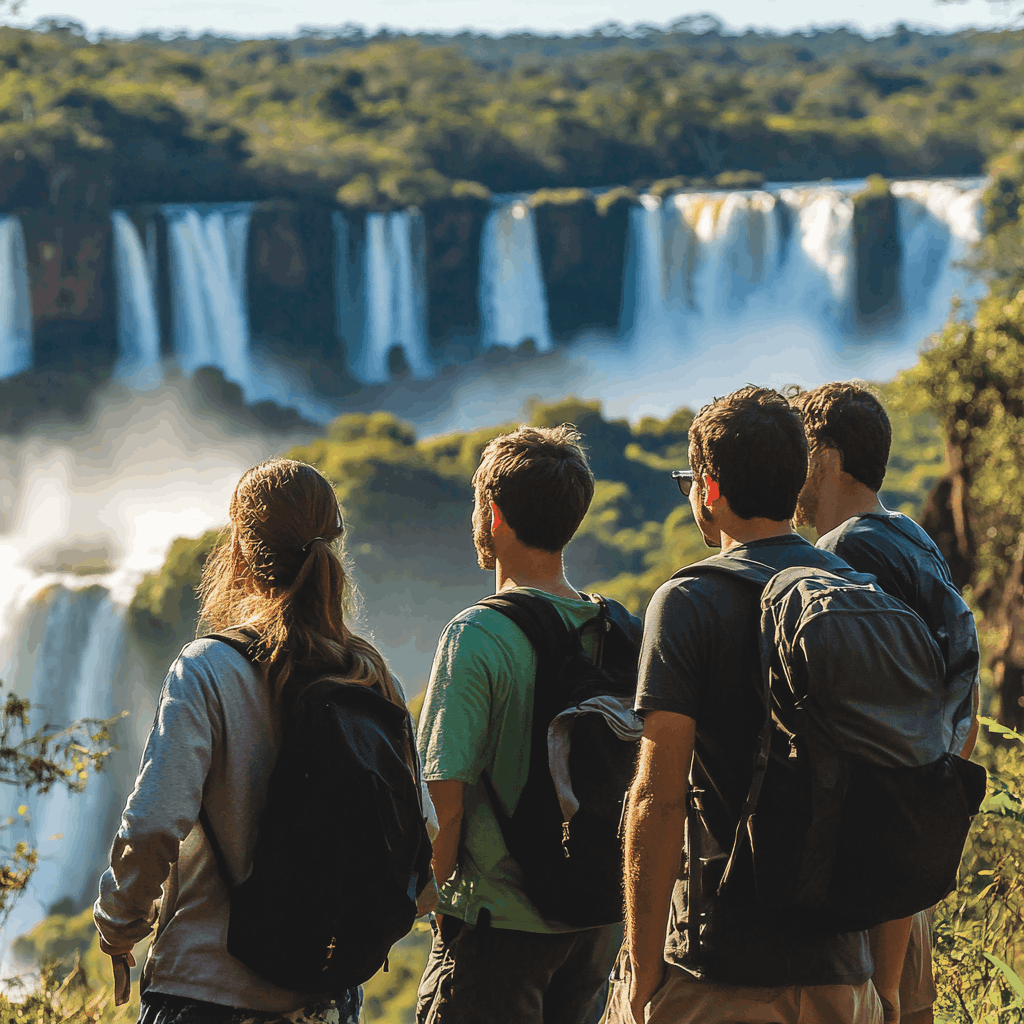
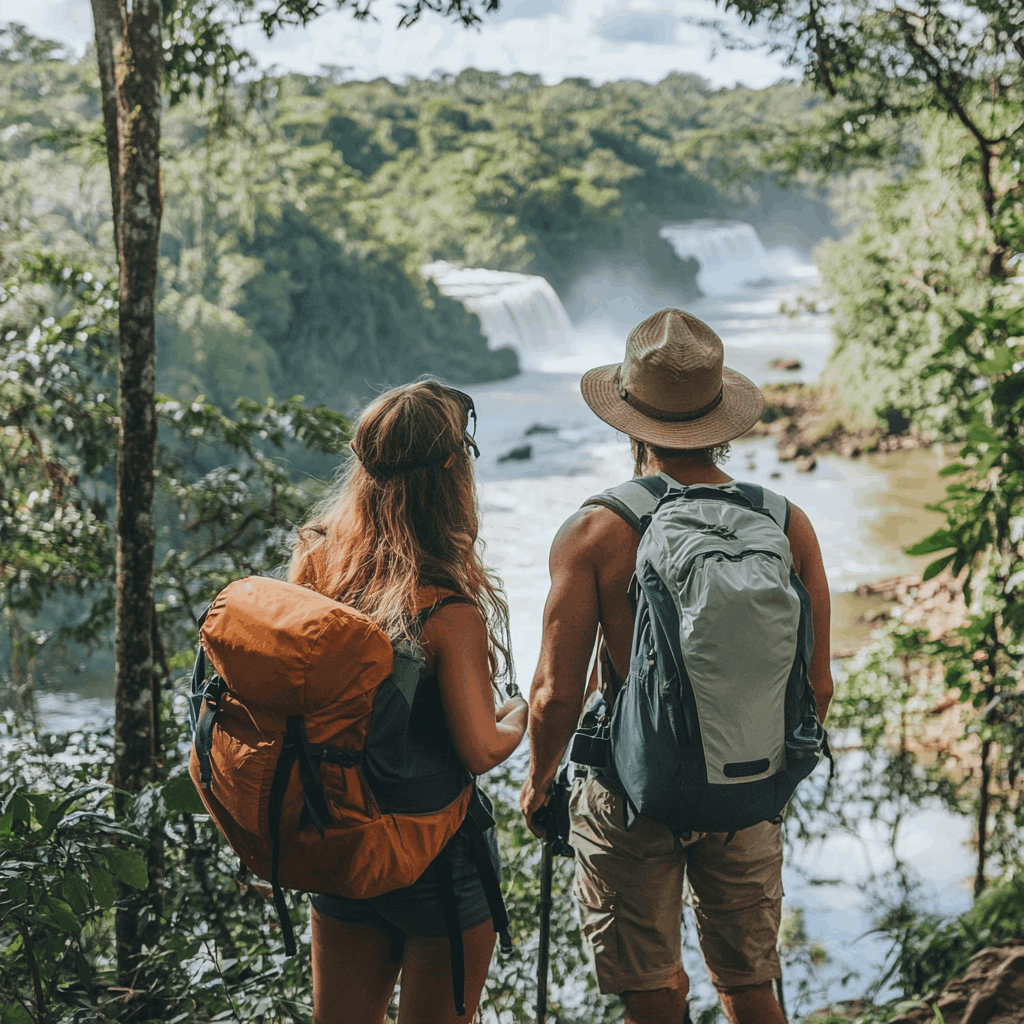
You might start in Foz do Iguaçu, Brazil, or Puerto Iguazú, Argentina, joining a tour that’s all about treading lightly. My guide, Sofia, was a local eco-warrior who knew every trail and could spot a toucan in a tree before I even blinked. On the Brazilian side, you walk boardwalks with views that make your jaw drop—275 falls stretching across miles, the Devil’s Throat churning like it’s alive. Sofia pointed out how erosion’s a threat and how tours like hers fund barriers to protect the cliffs. It’s not just sightseeing; you’re learning why this place needs saving.
The Argentine side’s where you get close—real close. Trails like the Upper Circuit take you over the falls, water roaring under your feet. I got drenched at Salto San Martín, and it was awesome, like the river was daring me to laugh. These eco-tours keep groups small to avoid trampling the jungle, and Sofia showed us signs of restoration—replanted ferns, stabilized paths. You’re hiking maybe two hours a day, nothing too crazy, but wear grippy shoes; the mist makes everything slick.
Sustainable lodging’s a big deal. I stayed at an eco-lodge on the Argentine side, a wooden cabin with solar panels and rainwater tanks. It’s basic—fans, not AC—but cozy, with breakfasts of fresh papaya and dulce de leche on toast. Some lodges grow their own food or hire locals, and you can feel the difference; it’s not a soulless hotel chain. One night, we sat on the porch, listening to the jungle hum, and I saw fireflies for the first time in years. Book early—these places fill up, especially December to February.
The volunteer stuff’s what sets these trips apart. I joined a half-day project planting native guava trees to reforest a buffer zone. It was sweaty, muddy work, but Sofia explained how it stops soil from sliding into the river. Other options include cleaning trails or monitoring wildlife—like counting coati sightings to track their numbers. It’s not glamorous, but you’re helping a UNESCO site stay alive, and that feels huge. Even an hour makes a difference, and you’re back to exploring by lunch.
Wildlife’s everywhere. Coatis scamper around, looking cute but ready to snatch your snacks—don’t feed ‘em, they’re trouble. I saw a flock of parrots explode from a tree, all green and red, and Sofia spotted a caiman in a quiet pool, just chilling. Eco-tours teach you to respect the animals, not crowd them, and you’ll hear about threats like poaching or invasive plants. It’s a crash course in why conservation matters, without the preachy vibe.
Tours run one to three days, mixing trails, boat rides (optional, but the zodiacs are a wet, wild blast), and volunteer work. Wet season (November to March) means lusher jungle but more rain, so pack a poncho. Dry season’s easier for walking, but hotter—slather on sunscreen and bring a reusable water bottle. Bugs aren’t as bad as the Amazon, but repellent’s still smart. Visas might be needed to cross borders, so check your passport situation.
Pick a tour that’s legit—ones tied to park authorities or groups like Conservation International. Some operators greenwash, so ask how they reduce waste or support locals. The good ones will tell you straight: X percent to reforestation, Y jobs for the community. Sofia’s crew donated to a river cleanup, and you could see the results—clearer water, less trash.
Iguazu’s more than a bucket-list checkmark. It’s the mist in your face, the jungle’s pulse, the quiet pride of planting a tree that’ll outlive you. You’ll leave wet, tired, and buzzing, knowing you didn’t just see a wonder—you helped keep its magic alive.