You might start in a hub like Iquitos, Peru, or Manaus, Brazil, where you meet your guide—someone like Kuy, a Sateré-Mawé elder who greeted us with a quiet smile and eyes that seemed to see right through the jungle. These guides aren’t just navigators; they’re teachers, storytellers, sometimes shamans. Kuy led us onto a wooden boat, the kind that hums along the Amazon’s tributaries, weaving through channels so tight the vines brushed our shoulders. The air’s thick, smells like wet earth and something sweet, and the forest’s buzzing—cicadas, frogs, some bird you’ll never ID.
First thing you notice is how the guides move—like they’re part of the place, not just passing through. Kuy pointed out a tree with sap that heals burns, then showed us how to weave palm fronds into a basket, his hands moving fast but calm. You get to try it, and yeah, your basket looks like a mess, but it’s fun, and you’re laughing with the group. These expeditions lean hard into learning: how to spot edible fruits, how to make a fish trap from vines, or why that one plant’s good for headaches. It’s not a lecture; it’s hands-on, and you feel like you’re earning a tiny piece of their knowledge.
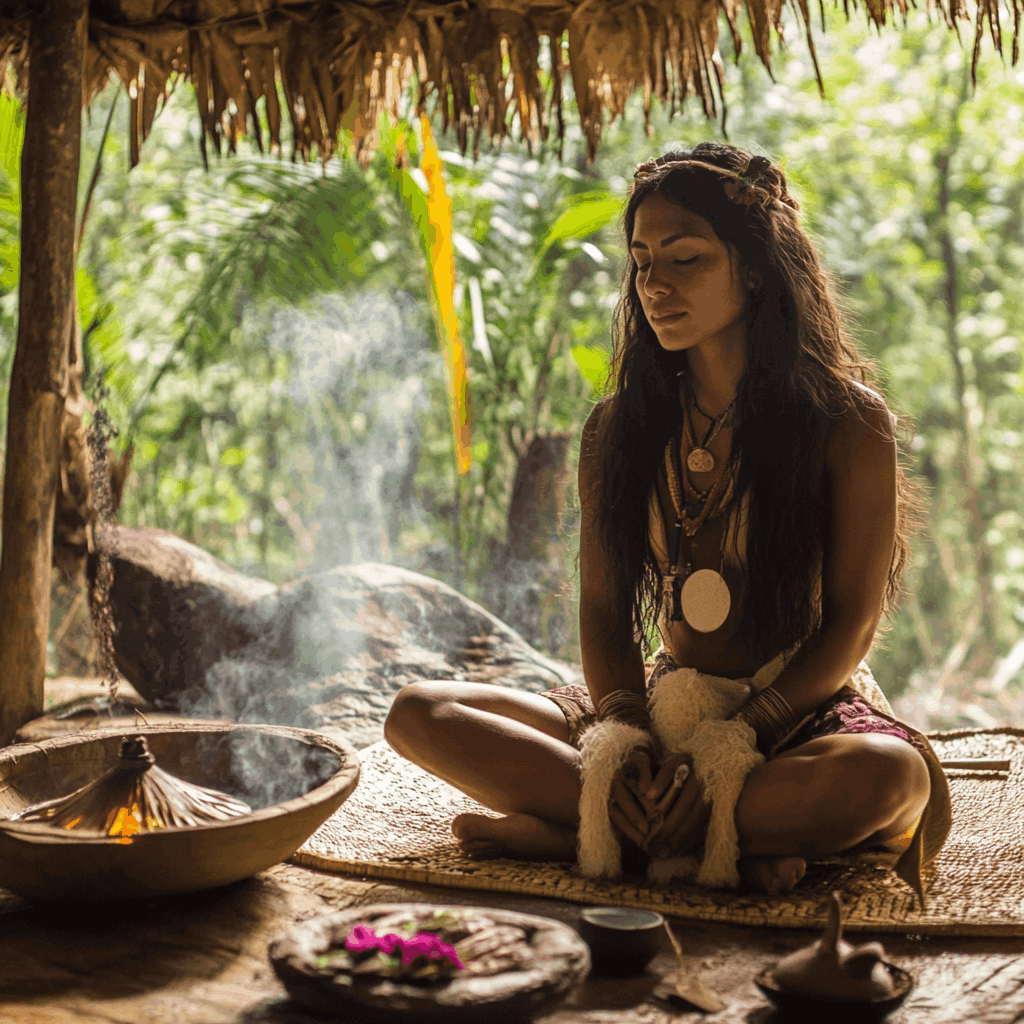
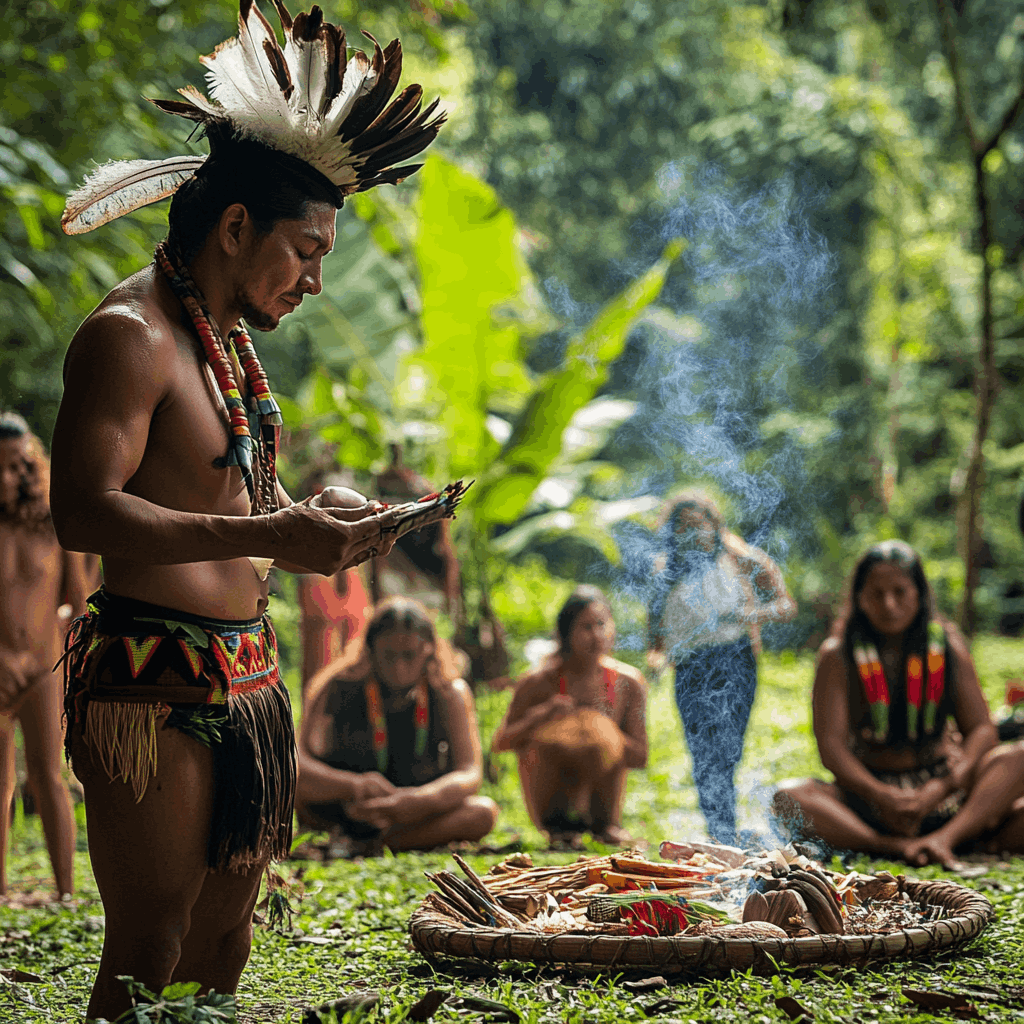
The cultural stuff’s what sticks with you. We docked at a village, maybe 20 houses on stilts, where the community invited us in. No big ceremony, just real life—kids playing, someone roasting fish over a fire. They shared manioc bread, this chewy, earthy stuff, and told stories through Kuy’s translations about their ancestors and the river spirits. I asked about a carved wooden figure, and it sparked a whole talk about their myths—felt like I was stealing something precious just by listening. You’re not a tourist gawking; you’re a guest, and there’s a difference.
Sustainable living’s baked into everything. The guides show you how they fish without emptying the river or build homes that don’t wreck the forest. Our trip supported a co-op that sells crafts to fund schools, and we spent an afternoon helping plant saplings—sweaty work, but it felt good. These communities are fighting to keep their way of life against logging and mining, and your visit, if it’s with the right outfit, helps. Pick a tour that’s legit—ones vetted by groups like Rainforest Foundation or run by the communities themselves.
Wildlife’s part of the deal, too, but it’s not the main show. Kuy could mimic a macaw’s squawk to call it closer or spot a sloth before we even knew what we were looking at. One night, we drifted in the boat, no motor, just stars and the sound of water. A caiman’s eyes glowed nearby, and Kuy just chuckled, like it was an old friend. You don’t need a zoo when the jungle’s this alive.
Trips like this usually run four to seven days, staying in simple lodges or village guesthouses—think hammocks, mosquito nets, and meals of rice, fish, and maybe some weird fruit you’ve never heard of. It’s not luxe, and that’s the point. Pack light, bring bug spray (trust me), and don’t expect a signal—your phone’s useless out here. Rain’s a given, so a poncho’s your best friend. And listen, really listen, when the guides talk; they’re sharing stuff you won’t find in books.
By the end, you’re changed. The Amazon’s not just a place on a map—it’s a way of seeing the world, through people who’ve lived with it forever. You’ll leave with a head full of stories, a heart a little heavier, and maybe a wonky basket you made yourself. It’s not just a trip; it’s a lesson in what it means to belong somewhere.