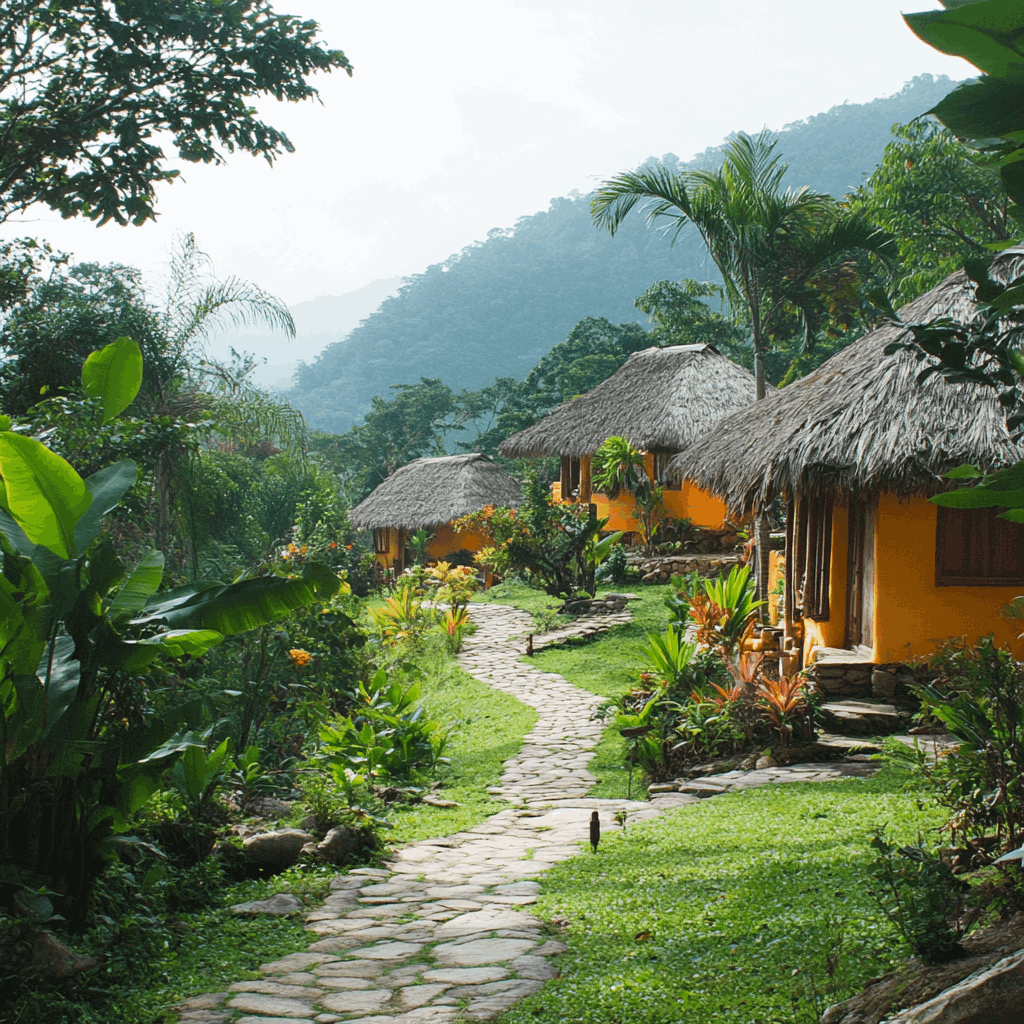
In Brazil, I started in a riverside village on the Rio Negro, an hour’s boat ride from Manaus. The community, mostly Caboclo folks, runs a guesthouse and small farm. My guide, Marta, born right there, had us help plant manioc in their garden—hard work, my back was screaming, but we laughed when I got mud all over my shirt. That manioc feeds the village and gets sold to keep their kids in school. We stayed in simple cabins, ate pirarucu fish with farofa, and learned how they fish without draining the river. Your money—maybe $50 a night—funds their cooperative, which fights off illegal loggers. At night, Marta’s uncle told stories about river spirits, and I swear the jungle was listening.
Peru’s Sacred Valley is next-level. Near Ollantaytambo, I joined a Quechua community weaving cooperative. The women, in bright skirts, showed us how to dye alpaca wool with plants—no chemicals, just tradition. I tried spinning yarn, and it was a disaster, all lumpy, but they just giggled and fixed it. That wool turns into scarves sold to tourists, keeping families from migrating to cities. We helped repair a stone irrigation channel, hauling rocks under a crazy blue sky. It’s not glamorous, but it keeps their crops alive. You crash in adobe homestays, eating quinoa soup and roasted cuy (guinea pig—tastes like chicken, kinda). Your stay pays for their water system, and you’re hiking to Incan ruins by afternoon.
EA trip to Ecuador’s Amazon, near Tena, was wilder. A Kichwa community runs eco-lodges and a medicinal plant garden. Our guide, Juan, took us to help harvest guayusa leaves for tea, a cash crop that’s better than logging. We chopped leaves in the rain, bugs everywhere, but the tea we drank later was worth it. They’re protecting 500 acres from oil drilling, and tourism helps pay for patrols. We kayaked the Napo River, saw a sloth just chilling, and slept in thatched huts with mosquito nets. Meals were yuca, fish, and this spicy peanut sauce I’m still dreaming about. The $100 I spent went to their clinic and a women’s craft group.
These projects aren’t just feel-good. In Brazil, community tourism employs 70% locals, per some reports, and cuts deforestation by giving people options. Peru’s homestays keep Quechua traditions alive—90% of hosts speak the language. Ecuador’s Kichwa lodges have saved 20% of their forest from oil rigs since 2015. But it’s not perfect—some villages get more tourists than others, and cash can spark fights. Pick outfits that spread the wealth, like ones tied to NGOs or indigenous networks. Ask how they split profits; the good ones are upfront.
Trips last three to ten days, blending work with exploration—hiking, cooking classes, or wildlife spotting. You’re in basic digs: wooden bunks, shared bathrooms, no Wi-Fi. Food’s local, hearty, sometimes weird (cuy’s not for everyone). Wet seasons (November to April in Brazil, December to May in Peru/Ecuador) mean mud and mosquitoes—pack DEET, long sleeves, boots. Dry season’s hot, so hydrate. Altitude in Peru can hit hard; chew coca leaves or go slow. Always barter respectfully—$5 can be a day’s wage.
You’ll leave different. It’s the kid who taught you a Kichwa word, the weaver who fixed your scarf, the fisherman who shared his boat. You’re not saving the world, but you’re helping real people keep their roots and their forests. It’s sweaty, it’s humbling, and it’s Latin America’s soul laid bare.